




Entradas Garantizadas. Los precios de los boletos podrían superar su valor nominal.


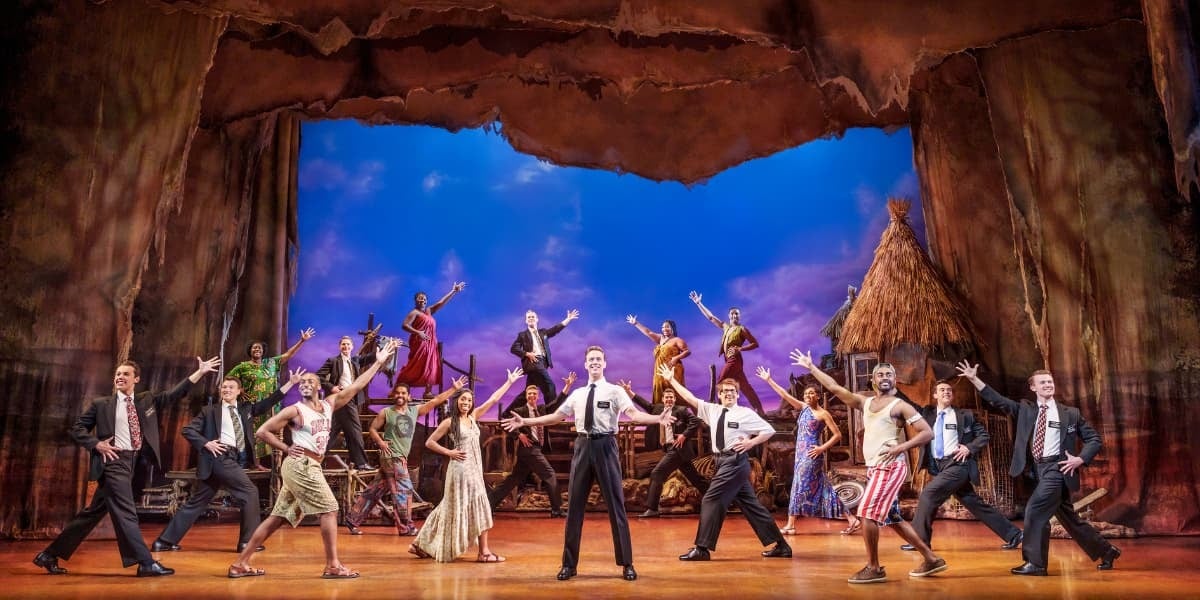
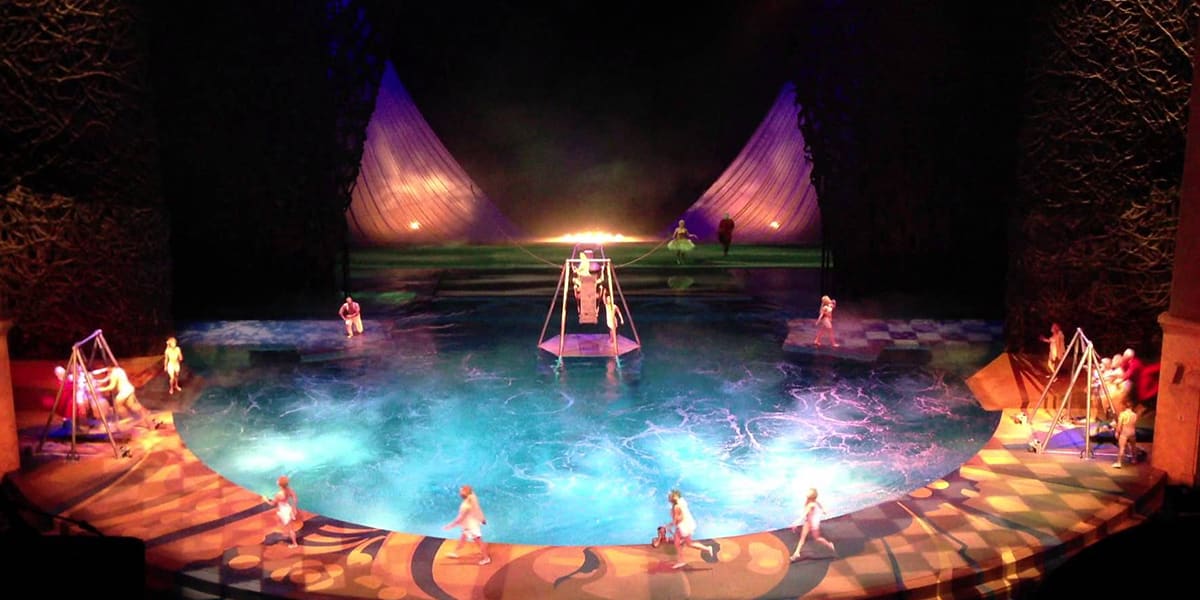
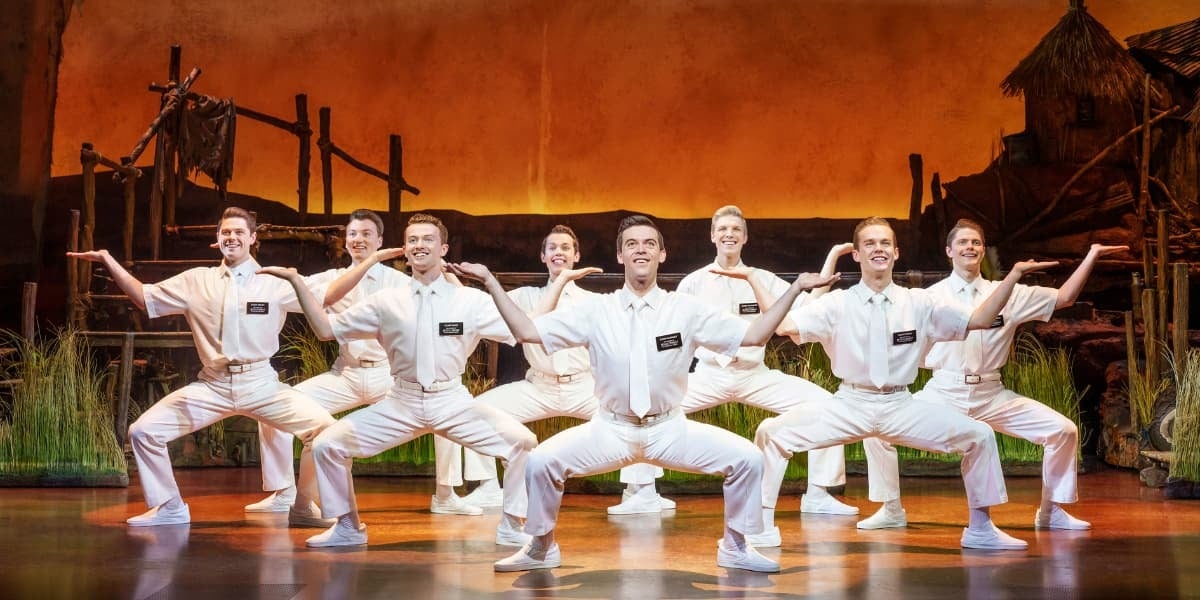
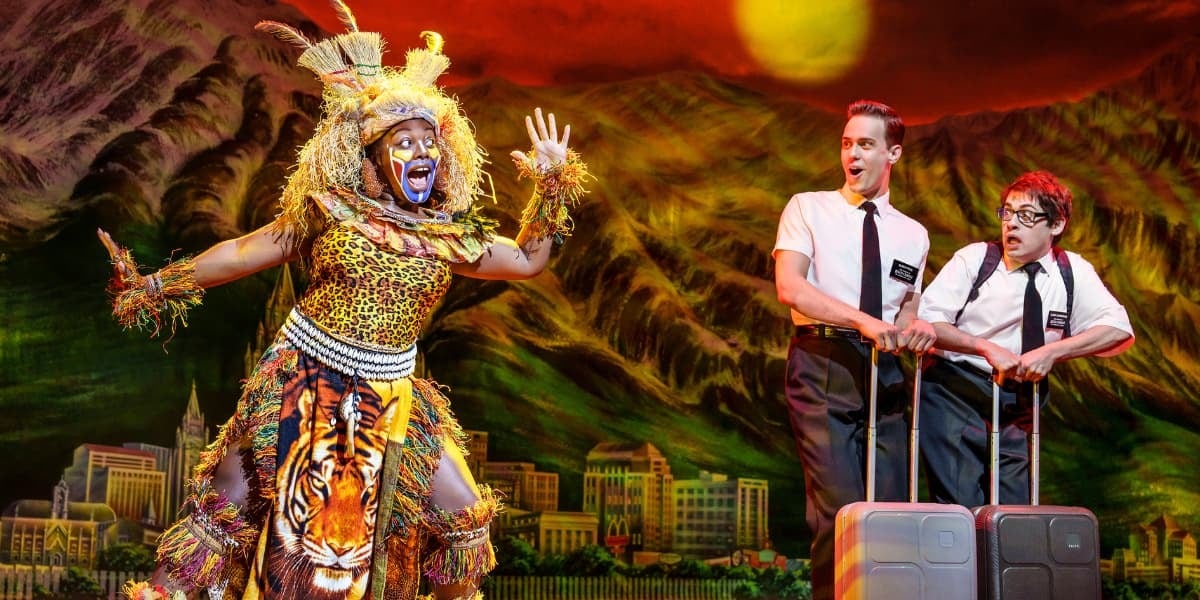
Theatre is a performing art form that brings stories to life through acting, dialogue, music, and spectacle. As a live experience, it offers a unique and immediate connection between actors and the audience that no other form of entertainment can replicate. The diversity of genres is immense: from classic tragedies that explore the human condition to light comedies that provoke laughter, to large-scale musicals with spectacular productions and vibrant choreography. Each play is a world unto itself, carefully constructed by directors, designers, and technicians to transport the viewer to another reality. Attending the theatre is not just watching a play; it is participating in a cultural ritual that celebrates creativity, empathy, and the power of a well-told story, creating a collective and deeply personal experience.
For an optimal theatre experience, planning is key. First, choose the right show for you, considering the genre, reviews, and cast. When purchasing your verified tickets, check the seating map: the orchestra section offers proximity, while balconies can provide a better panoramic view, especially for musicals with large choreographies. Regarding attire, most theatres have a smart casual dress code, although an opening night might be more formal. Arrive with enough time, ideally 30 minutes beforehand, to pick up your tickets, use the restrooms, or buy a program. Remember that punctuality is crucial, as many theatres do not allow entry once the performance has begun. Silence all your electronic devices and refrain from talking to respect the actors and the rest of the audience.